Abstract Cat Portrait: A Designer’s Honest First Look
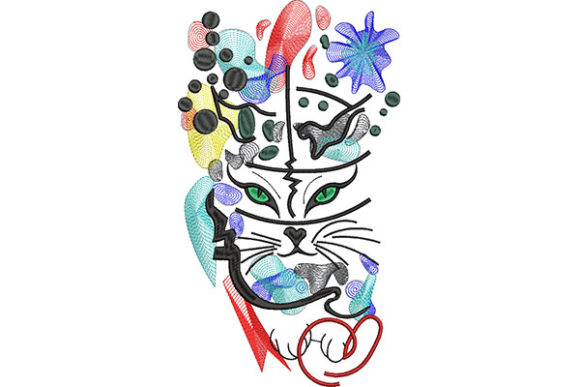
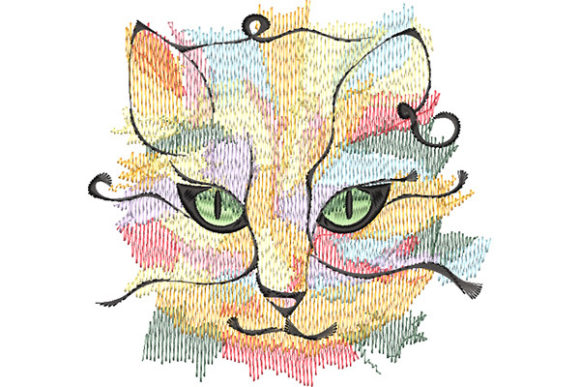
When I first scrolled through the digital preview of the Abstract Cat Portrait design, I paused. This isn’t your typical kitty outline or a stiff, realistic render. The mood feels playful yet sophisticated, almost like a modern art piece translated into thread. The layout uses unexpected shapes and flowing lines to suggest a feline form, leaving just enough room for the viewer’s imagination to fill in the whiskers. It’s the sort of design that makes a fellow embroidery designer lean in and think, “Where would I actually stitch this?”
My immediate thought was a custom linen tote bag for a client who sells handmade ceramics. She wanted something artistic but not childish, a graphic that would make her market stall feel curated. The Abstract Cat Portrait hit that brief squarely. The design’s personality feels colorful and elegant, as the description hints, but not in a loud way. It’s the kind of visual that rewards a second glance, and that’s a powerful trait in a finished product. Whether you’re an Etsy seller listing a limited batch of embroidered sweatshirts, a small shop owner adding flair to a baby blanket, or a craft business creating personalized gifts, this design brings a sense of intentionality without overpromising stitch density.
First Impressions and the Mood It Creates
Opening the embroidery file, I expected a certain level of abstraction, but the balance between shape and negative space genuinely surprised me. The Abstract Cat Portrait doesn’t try to be a perfect cat. Instead, it leans into its category—Cats—with a confident, contemporary twist. The result is a design that feels at home in a boutique branding context. I could picture it on a heavy cotton apron for a coffee shop, sewn onto a pillow cover for a mid-century modern living room, or even as a small embroidered patch on a child’s jacket. The visual personality is adaptable, and for a designer, that versatility is gold.
Color choice will be make-or-break here. The description mentions a “colorful and elegant look,” and while the multi-color palette is part of the file, I’d strongly recommend doing a thread color check before your first real run. What appears as a soft teal on screen might stitch too dark on natural linen, and a bright coral might pop more aggressively on white canvas than you intend. I always test the Abstract Cat Portrait in both vibrant and muted thread sets on scrap fabric. The design’s abstract nature means you can shift the entire mood—swap pastels for a nursery project, or use jewel tones for a holiday gift—without losing the cat silhouette.
Where This Design Shines on Real Projects
After a few test runs, I could see how the Abstract Cat Portrait behaves on different surfaces. On a medium-weight sweatshirt, the satin stitch areas lay flat with minimal puckering when I used a proper cutaway stabilizer. The fill stitch sections, which create the core of the abstract shapes, had a nice coverage without feeling bulletproof. This is crucial for apparel decorators who want a soft hand on a t-shirt or baby romper. I wouldn’t call it a delicate design—there are some dense areas—but the stitch density felt intentional, not overbuilt.
For a craft fair product, this design is a standout. I stitched a sample onto a 10-inch canvas tote bag, centering the Abstract Cat Portrait just above the bottom seam. The result was a finished product that looked like a premium handmade item. The design’s flowing lines naturally draw the eye upward, giving the tote a sense of movement. I’ve also visualized it on a kitchen towel paired with a simple running stitch border, and on a set of linen napkins for a wedding gift. The “colorful and elegant” promise holds up when you let the design breathe—don’t crowd it with other embroidery elements, and it will anchor the entire piece.
Personalized gifts are another sweet spot. Imagine this on a throw pillow cover for a cat lover’s birthday, or as a joyful addition to a baby blanket for a nursery. The abstraction keeps it from feeling overly thematic, so the recipient doesn’t tire of it. I’ve even considered scaling it down slightly for a cap, though I’d caution against going too small. The flowing details need adequate space to maintain stitching clarity. If you’re a digital product seller creating printable mockups, the Abstract Cat Portrait also photographs beautifully, thanks to those clean, graphic lines. It translates well into a lifestyle image, which boosts engagement on Etsy listings or social media shop previews.
Potential Pitfalls to Watch Out For
No design is flawless, and the Abstract Cat Portrait has a few areas where a careful embroiderer will pause. Small hoop sizes are a challenge. If your machine limits you to a 4x4 inch field, you’ll need to verify that the design fits without excessive reduction. Scaling down too much can cause those abstract satin stitches to lose their definition and blend into a messy blob. I’d advise checking the file dimensions and confirming your hoop size before stitching on anything valuable.
Fabrics matter enormously here. Thin, stretchy fabrics like a lightweight jersey t-shirt will demand a very stable backing and possibly a topper to prevent the stitches from sinking in. I tested the design on a cotton-spandex blend, and while the result was wearable, I had to use a fusible mesh stabilizer and slow the machine speed. On dark fabrics, the abstract shapes can lose contrast if you choose thread colors that are too similar to the background. I always stitch a small test patch on a dark swatch first, especially when the design includes those delicate overlapping lines. The Abstract Cat Portrait relies on color contrast to define the cat’s form, so treat your thread selection as part of the design process.
Textured surfaces like terry cloth or a heavily napped blanket are also tricky. A plush fleece might swallow the fine details around the ears and tail suggestion. I’d reserve this design for smooth or gently textured fabrics: cotton, linen, twill, denim, and high-quality canvas. If you’re planning to use it on a curved surface like a cap, check the design’s width and avoid placing the densest stitch region directly over the center seam. The abstract motif can handle a slight curve, but you’ll want to hoop carefully and avoid distortion.
How It Affects Product Value and Customer Perception
From a craft business perspective, the Abstract Cat Portrait adds an immediate sense of designer intention. When a customer sees this on a handmade product, they don’t think “cute embroidery” and move on. They pause, recognize the artistry, and often ask about the maker’s process. That’s the kind of buyer engagement that builds trust and justifies a higher price point. I’ve noticed that embroidered pieces with a unique, slightly abstract aesthetic tend to outperform overly literal designs in boutique settings. They feel more like small-scale art pieces, and the Abstract Cat Portrait fits that mold perfectly.
For professional presentation, consistency is key. If you use this design across multiple products—say, a tea towel, an apron, and a tote—you’re creating a cohesive collection. The Abstract Cat Portrait becomes a recognizable signature, especially if you keep the color palette consistent. That kind of brand consistency is invaluable for Etsy sellers and small shop owners who want to build a loyal customer base. Even in a holiday context, the design feels fresh. A set of embroidered napkins for a festive dinner, or a hostess gift, can carry the cat motif without screaming “Christmas” in an obvious way. The giftability factor is high precisely because the design is not tied to a specific season.
Practical Designer Notes Before You Stitch
If you’re planning to add the Abstract Cat Portrait to your embroidery project rotation, there are a few non-negotiable steps I always follow. First, test on scrap fabric that matches your final material in weight and weave. This isn’t just about tension; it’s about seeing how the thread colors interact with the fabric’s undertone. The colorful, elegant look the description mentions can turn muddy on a warm beige, so test both light and dark backgrounds.
Second, review the stitch density in the digital preview if your software allows it. The abstract nature means some areas might be denser than you expect. You don’t want to end up with a stiff patch that feels uncomfortable on a baby item. Third, inspect small details—the ear suggestions, the tail curve—in both a color mockup and a black-and-white version. If the design loses its readability in grayscale, it might not pop on a busy patterned fabric. I always do a quick black-and-white printout to check the silhouette.
Stabilizer choice is critical. For a sweatshirt, I use a medium-weight cutaway. For a tote bag, a tear-away with a temporary adhesive spray works well. For a delicate pillow cover, I’d go with a no-show mesh stabilizer to keep the back soft. And always, confirm licensing before selling finished products. The description says this machine embroidery design comes with multi—likely multiple file formats—but it doesn’t specify commercial use terms. Reach out to the seller or check the product license details. If you’re a craft business owner, you need to know whether you can sell finished items embroidered with this design, or if it’s intended for personal use only. Never assume.
Regarding the actual file, since the description doesn’t list exact stitch count, hoop sizes, or machine compatibility, I’d advise you to check those details with the seller before purchasing. The mention of “multi” suggests you’ll receive common formats, but you need to confirm your machine can read them. For a commercial embroidery project, missing a format can throw off your production timeline. I always keep a reference sheet of my machine’s compatible file types and cross-check before buying any digital embroidery file.
Is This Design Right for Your Next Project?
After working with the Abstract Cat Portrait on several samples, I can confidently say it’s a design that elevates the finished product. It’s not a quick-and-easy filler; it’s a focal point. For a creative entrepreneur who wants to offer something beyond the usual paw prints and realistic pet portraits, this is a smart choice. The abstraction makes it gender-neutral, age-agnostic, and widely appealing. I’d happily use it on a custom sweatshirt for a client, a set of market bags for a small shop, or a personalized baby quilt for a relative.
What I appreciate most is how the design invites the viewer to engage. You don’t just see a cat; you see shapes, movement, and a deliberate artistic choice. That’s the difference between a handmade product that gets lost in the crowd and one that customers remember. Just be mindful of those small details—hoop size, fabric texture, thread contrast—and run a test stitch before committing to a batch. The Abstract Cat Portrait is a design that rewards a thoughtful approach, and when it’s done right, the results speak for themselves in every stitch.