American Pit Bull Head: An Embroidery Design Review
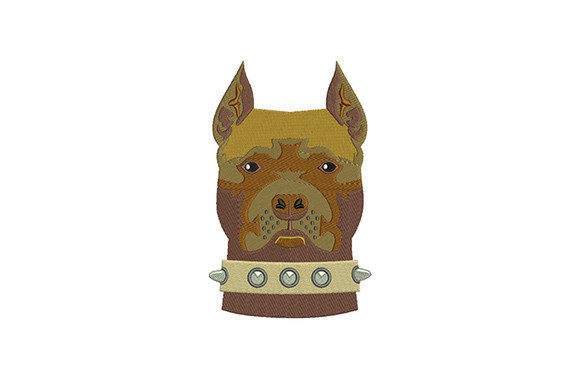
Some designs make you stop scrolling the instant you see them. The American Pit Bull Head machine embroidery design did exactly that. I opened the file preview while prepping a batch of custom denim jackets for a client who runs a bully breed rescue, and right away I knew this one had a different kind of energy. It’s not a generic dog silhouette. It’s a focused, deliberate portrait that captures the blocky structure, the alert ears, and that unmistakable gaze. If you stitch for dog lovers, you already understand how particular they are about breed accuracy. This design takes that seriously.
First Impressions and the Mood It Sets
Looking at the design layout, the American Pit Bull Head leans into a clean, proud, almost noble presentation. The head fills the composition confidently, with just enough negative space around the ears and muzzle to make the shape read clearly even from a distance. There’s no busy background, no distracting floral wreath—just the dog itself. That restraint is a smart move for an embroidery file meant to work across multiple products. It means the design will hold its own on a structured cap, a soft sweatshirt, or a flat tote panel without needing to be reworked.
The mood strikes me as equal parts strength and loyalty. It’s the kind of portrait that a pit bull owner would recognize immediately and feel proud to wear. That emotional connection is what turns a simple embroidered item into a handmade product someone buys as a gift or keeps for years. From a commercial standpoint, that’s gold.
Visual Personality and Detail Level
The detailing in the American Pit Bull Head relies on a thoughtful mix of fill stitch for the broad planes of the face and what appears to be a tighter satin stitch around the eyes, nose, and ear contours. The muzzle area uses subtle shading through thread color changes rather than a flat block of color, which gives the design depth without making the stitch count explode. That’s a balance I’m always looking for: enough detail to feel premium, but not so much that the design becomes a nightmare to stitch out on anything other than perfectly stable woven fabric.
One thing I noticed immediately: the eyes are handled with care. In many dog embroidery designs, the eyes can turn out hollow or lost if the stitch angle isn’t right. Here, the pupil and highlight placement feel intentional, which helps the finished piece read as a living animal rather than a cartoon. If you’re testing this on a printable mockup or a digital preview for an Etsy listing, that eye detail will be what catches a buyer’s attention first.
Where This Design Naturally Belongs
After a few stitch-out tests on scrap twill and a medium-weight cotton, I can see this machine embroidery design fitting into several product categories with almost no adjustment. The obvious homes are custom apparel like the back panel of a denim jacket, a large chest placement on a sweatshirt, or a bold statement across a tote bag. I also wouldn’t hesitate to use it on a heavyweight canvas apron for a dog groomer, or on a structured cap where the design’s compact composition won’t get distorted by the curve of the crown.
For craft business owners thinking about seasonal products, this design translates well into holiday embroidery for pit bull rescue fundraisers or personalized gifts. Imagine it on a soft fleece blanket or a set of kitchen towels for a dog-obsessed home. The design’s straightforward shape also makes it suitable for an embroidered patch—just add a border and you’ve got a sew-on or iron-on product that sells itself at craft fairs.
Real-World Embroidery Performance
I ran the design on a mid-weight cotton sweatshirt and a heavier bull denim, both with a cutaway stabilizer underneath. On the denim, the stitches bedded down beautifully. The stitch density felt appropriate for a design meant to be seen up close; there were no gaps where the fabric showed through the darkest fill areas, and the edges stayed crisp. On the sweatshirt, I used a layer of water-soluble topping to keep the satin stitch lettering—if any—from sinking into the fleece. The design didn’t include text, which is actually a plus for versatility. If you want to add a name or rescue slogan, you can pair it with a separate font file and retain full control.
One practical note: the ear tips and the slight fur texture around the neck use short running stitch accents. These stitches are short enough that they shouldn’t snag under normal wear, but I’d be cautious about using this design on very thin or loosely woven fabric where the needle might punch through and leave small holes. A baby embroidery project on a soft onesie, for instance, would need a very stable backing and possibly a smaller hoop size to keep the fabric from shifting.
Fabric and Surface Considerations
This is where a designer’s judgment really matters. The American Pit Bull Head has enough solid fill that it will show every bump on a textured fabric like a waffle weave or a chunky knit. I’d steer clear of those unless you’re deliberately going for a distressed look. For sweatshirt embroidery or hoodie placements, the design works best on a smooth fleece rather than a heavily brushed one. On dark fabrics, the thread colors will pop, but you need to double-check the contrast between the darkest thread shades and the background. The design preview looked balanced on a black background, but I’d still recommend a test stitch on the exact garment you plan to sell.
If you’re working with stretchy fabric like a performance tee or a lightweight jersey, use a fusible mesh stabilizer and don’t pull the hoop too tight. The design’s density means it can cause puckering if the fabric isn’t fully supported. For caps, the curved surface demands a smaller hoop placement and careful alignment; the design’s relatively circular composition helps, but you’ll want to measure the cap’s printable area before committing to a bulk order.
The Designer’s Practical Checklist
Before you load this digital embroidery file onto your machine for a client order or a shop product, here’s the routine I’d follow:
- Test on scrap fabric first, ideally the same material and color as your final piece.
- Check thread color contrast against light, medium, and dark backgrounds. The design may need slight thread palette adjustments for high-contrast fabrics.
- Review stitch density by running a slow stitch-out; if the fabric feels stiff or puckers, swap to a lighter stabilizer or reduce pull compensation (if your software allows).
- Confirm hoop size compatibility. The design’s dimensions weren’t specified in the listing, so measure the file before stitching. A too-small hoop can crop the ears or muzzle.
- Inspect the small details: the eyes, the nose highlight, the fur texture. Run a black-and-white printout to see if those details hold up without color.
- For commercial embroidery or small shop product use, double-check the license terms. The product description didn’t explicitly state resale rights, so reach out to the designer if you intend to sell finished items. Don’t assume.
Creating a Saleable Product with This Design
From a craft business perspective, the American Pit Bull Head gives you a lot of room to build a cohesive product line. Pair it with a simple text file for breed-specific rescue merch. Stitch it on a tote bag design for a dog walker’s essential. Use it on a personalized gift like a pillow cover for a new puppy parent. The recognizability of the breed, combined with the design’s clean execution, will make your finished pieces look professionally produced rather than home-done.
For Etsy sellers and digital product creators, the embroidery file itself can be a listing asset if you have the rights to sell the digital version. But again, verify the license. Many designers restrict digital resale. If you’re using it for physical products only, photograph the stitched sample on a neutral background and use it as a printable mockup for your shop. The design’s strong silhouette works well in lifestyle shots: a flat lay with a leash, a collar, and a bandana, or a close-up of the jacket back.
Final Thoughts Before You Press Start
I’ve stitched out dozens of dog designs over the years, and the American Pit Bull Head stands out for its balance of breed accuracy and stitch economy. It’s not an overly complex design that will take an hour to finish, but it doesn’t cut corners where it counts. The finished piece looks substantial enough to feel like a premium product, and that’s exactly what you want when you’re selling in a competitive Dogs niche.
If you’re a maker who serves a community of pit bull enthusiasts, this design will resonate. It’s direct, it’s respectful of the breed, and it translates well from screen to thread. Just take the time to test your fabric, your stabilizer, and your thread choices. The design will do the rest.