Heart Line Art: A Designer’s Seasonal Review
First Impressions: The Mood of Heart Line Art
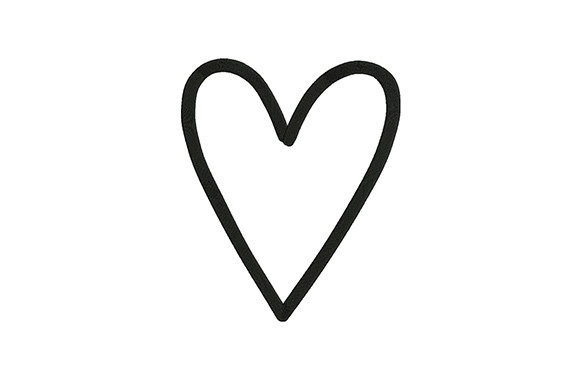
When I first opened the Heart Line Art digital embroidery file, I felt that immediate spark of a design that speaks softly but sells loudly. The name itself suggests a clean, minimal, continuous line drawing of a heart—a timeless symbol stripped down to its most elegant form. This is not a loud, glittery motif; it’s the kind of romantic and modern statement that works beautifully across generations. The emotional tone is sincere, tender, and quietly confident. For a Valentine’s Day product drop, this is gold. It feels less like a fleeting holiday novelty and more like a piece of wearable, giftable art that complements everyday love.
The decorative style leans into a contemporary, almost Scandinavian simplicity. It’s neither overly cute nor overly rustic—it’s refined. The detail level, from what I see in the stitch preview, appears crisp and well-digitized. A line art design like this relies on smooth, uninterrupted curves, and a good machine embroidery design will maintain that flow without unnecessary trims or jump stitches. That’s exactly what I hope for in a seasonal collection: a file that stitches out as cleanly as it looks on screen.
Where Heart Line Art Shines in Holiday Product Collections
When I’m planning a holiday shop collection, I mentally run a design through every possible product application. Heart Line Art is a versatile workhorse that adapts to dozens of items without losing its charm. Here’s exactly where I’d place it for maximum seasonal appeal.
Apparel and Accessories
On a soft crewneck sweatshirt, this heart becomes a subtle, cozy statement perfect for a family matching set or a couple’s gift. Sweatshirt embroidery demands a design that doesn’t fight the fabric’s natural stretch, and a light line art pattern like this—when stitched with the right stabilizer—will sit flat and comfortable. I’d also test it on a slim-fit long-sleeve tee, a canvas tote bag, and a lightweight zip-up hoodie. For a personalized gift, you could easily add a small name or date underneath the heart using a coordinating font, instantly boosting the emotional value.
Don’t overlook baby items. A tiny version of Heart Line Art on a onesie or a bib becomes an heirloom-quality newborn gift. The design’s simplicity keeps it gender-neutral and timeless, which is essential for a handmade gift that parents will treasure.
Home Décor and Giftables
Kitchen towels are a secret weapon for holiday sellers. Imagine a set of two flour-sack towels, each featuring the heart in a delicate thread color—maybe a soft blush or classic red. Kitchen towel embroidery needs a design that doesn’t sink into the fabric’s loose weave, so I’d pair Heart Line Art with a heavier water-soluble topper and a sharp needle. The result is a clean, boutique-quality finish that buyers love.
Pillow covers are another instant win. A linen or cotton cushion with the heart centered on the front adds a romantic touch to a bedroom or living room. Pillow cover embroidery also packages well in a gift bundle with a matching throw blanket or a candle. For holiday markets, small ornamental hoops—whether a 3-inch or 4-inch frame—can turn this design into a ready-to-hang ornament. The minimal line art style looks stunning on wood-toned or painted hoops, making it a fast seller at craft fairs.
Table linens and aprons also benefit from a subtle embroidered motif. I’d stitch Heart Line Art onto a corner of a cloth napkin or the bib of a cotton apron, offering a sophisticated, not-too-sweet accent that works for intimate dinners or anniversary celebrations.
Practical Selling Scenarios for Heart Line Art
I always think like a shop owner when evaluating a seasonal design. How will it actually sell? Heart Line Art is built for the kind of emotional buying that spikes around holidays.
Gift Bundles and Limited-Edition Drops
Bundle a heart embroidery tote with a matching mug and a handwritten note, and you’ve got a ready-to-ship gift set. I’ve seen Etsy sellers double their order value by curating these bundles. Because the design is so versatile, you can create a whole “Love Collection” featuring the heart on different items—a pillow, a kitchen towel, and a simple sweatshirt—all united by the same thread color palette. This strengthens brand consistency and encourages multiple-item purchases.
Limited-edition apparel drops thrive on simplicity. Release a batch of crewnecks with the heart stitched in a metallic gold or a trending color like terracotta, and market it as a Valentine’s capsule. Customers trust a shop that curates a clear, cohesive seasonal look, and Heart Line Art anchors that look without overwhelming it.
Marketing and Social Media Preview
This design photographs beautifully. A clean line drawing against a neutral fabric background creates a printable mockup that looks professional and clickable. I’d create flat-lay images with dried flowers, a cup of coffee, or a sprig of eucalyptus to evoke that cozy, romantic feeling. On social media, a short video of the stitching process—showing the needle tracing the heart’s contour—builds excitement and engagement. It’s the kind of content that stops a scroller. When you tag the post with holiday embroidery or seasonal embroidery, you’re reaching buyers who are actively searching for meaningful, handmade gifts.
Cautions and Considerations for Stitching
Every design has its sweet spots and its tricky spots. I’ve learned to test thoroughly before committing a file to my production line. Here’s where Heart Line Art requires a careful hand.
Fabric, Hoop, and Stabilizer Tips
On thick towels or high-pile fleece, a thin line art design can get lost. The loops of the fabric can swallow the embroidery, making the heart look broken or uneven. Always use a topper and test on the exact fabric texture you plan to sell. On dark fabric, especially black or navy, the contrast is crucial. A pale thread will pop, but if you’re using a dark thread, the design may disappear. I always run a test stitch on a scrap of dark fabric before committing to a full run.
Stretchy garments—like a ribbed knit beanie or a curved cap—demand a firm cut-away stabilizer and a hooping method that prevents distortion. The design’s smooth curves can warp if the fabric shifts, so I’d avoid free-handing it. A magnetic hoop or a sticky stabilizer helps keep everything in place. Small hoop sizes are possible, but I’d check the minimum hoop size indicated in the product specs. A design that’s too dense for a tiny hoop can cause thread breaks or puckering.
For items that will face repeated washing, such as kitchen towels or baby clothes, make sure the stitch density is balanced. Too many stitches crammed into a small area can create a stiff, scratchy patch that feels uncomfortable against the skin. I’d wash-test a finished towel three times to see how the thread holds up and whether the fabric softens around the embroidery.
Thread Color and Detail Challenges
Metallic thread is a tempting choice for a holiday design, but it can be finicky. The Heart Line Art design relies on a continuous line; metallic thread’s fragility might cause frequent breaks, marring the smooth finish. I’d stick with high-quality polyester or rayon thread for a glossy, durable look that mimics the sheen without the hassle. When testing thread colors, I always stitch on both light and dark backgrounds. A soft pink that looks romantic on white linen might look muddy on charcoal. Create a small swatch book of your go-to colors on different fabrics—it’s a time-saver and a consistency tool.
If the design includes any tiny inner details—like a small dot or a delicate swirl—check how they render after stitching. Sometimes a line art design can lose its intended shape if the digitizer didn’t account for pull compensation. I’d stitch a sample, clip it, and examine it under good light. If a detail consistently looks off, I might adjust the design in my software or simply avoid using that part on smaller items.
The Emotional and Commercial Impact
What makes Heart Line Art a powerful addition to a seasonal line is its ability to tap into buyer emotion while staying commercially viable. The heart is a universal symbol of love, and when rendered in a clean, modern line, it appeals to couples, parents, friends, and even self-love advocates. A customer buying a Valentine’s Day gift isn’t just purchasing a product; they’re buying a feeling. This design delivers that feeling quietly and confidently.
From a branding perspective, the design’s simplicity means it won’t clash with other elements. You can build a whole collection around it, offering consistent visual recognition. A customer who sees your heart embroidery on a tote bag will instantly recognize the same motif on a pillow cover in your shop. That builds trust and encourages repeat purchases. The giftability factor is high: a finished item with this design feels thoughtful, not mass-produced. It’s the kind of piece that gets saved and handed down, and word-of-mouth referrals follow.
Designer’s Checklist Before You Stitch
I keep a mental checklist for every new digital embroidery file I test. Here’s what I’d go through with Heart Line Art before adding it to a live shop collection:
- Confirm the hoop size and compare it to your machine’s capabilities. The product description mentions multiple embroidery file formats, but always verify the stitch count and dimensions match your setup.
- Test on both light and dark fabric with your planned thread palette. Don’t guess; stitch it out.
- Use the correct stabilizer for each fabric type. Towels need a topper; knits need cut-away; woven cotton does well with tear-away.
- Create realistic mockups—not just digital ones, but actual stitched samples—to photograph. This builds customer trust and sets accurate expectations.
- Review small details after stitching. Look for any skipped stitches, thread breaks, or areas where the fabric puckers. Adjust tension or stabilizer if needed.
- Plan a matching color palette for your seasonal collection. A unified thread color across products creates a cohesive brand look.
- Check commercial embroidery licensing before selling finished items. The product description should outline whether you can sell finished product made with the design. If not stated, contact the designer directly.
- Stitch durability: wash and dry the sample multiple times to see how the embroidery holds up. This is especially important for items like aprons or baby clothes that will be laundered frequently.
Final Thoughts on Heart Line Art
As a designer who has built seasonal collections for years, I recognize a workhorse design when I see one. Heart Line Art is that perfect blend of emotional resonance and practical stitchability. It’s not a design that overwhelms your machine or your customer; it’s a design that quietly elevates every product it touches. For Valentine’s Day, for anniversaries, or simply for a “love” themed drop, this file deserves a spot in your library. The multiple embroidery file formats included make it accessible for most machines, and its clean aesthetic means it will never go out of style.
Whether you’re an Etsy seller preparing a romantic gift line, a small shop product creator stocking up for a craft fair, or an apparel decorator planning a limited-edition run, Heart Line Art will help you sell more than just a product—you’ll sell a feeling. Stitch it with care, test it thoroughly, and watch your customers connect with it in a way only a thoughtful machine embroidery design can inspire.