Pomegranate Fruit Embroidery Design: An Honest Review
First Impressions of the Pomegranate Fruit Design
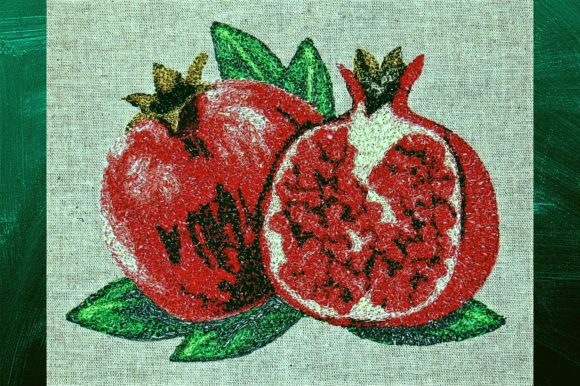
When I first opened the Pomegranate Fruit embroidery file from Creative Fabrica, I immediately noticed its vibrant, cheerful personality. The design captures that juicy, jewel-toned appeal of a fresh pomegranate without feeling overly realistic or stiff. This is not a photographic interpretation. It leans into decorative charm, the kind of embroidery that makes someone stop and smile at a craft fair table. The overall mood reads warm, summery, and just polished enough to elevate a simple handmade product without overwhelming the fabric beneath it.
I downloaded this machine embroidery design specifically with a late-summer kitchen collection in mind. I wanted something that could cross over between custom apparel and home goods. Right away, the shape and flow of the design told me this would work beautifully on flat surfaces like tea towels and pillow covers, but I could also picture it on a structured tote bag. The visual weight feels balanced, which matters a lot when you are positioning a design on a finished product and trying to maintain good composition for product photography.
The design description promises a sweet, summer vibe, and I think that is accurate. It has the kind of gentle, approachable look that appeals to buyers searching for handmade kitchen decor, personalized gifts, or boutique-style apparel. I have learned over the years that designs with a clear, recognizable subject like a piece of fruit often sell better than abstract motifs, because customers instantly understand what they are getting. The Pomegranate Fruit fits squarely into that category.
Where This Design Feels Most at Home
After spending some time planning potential projects, I see the Pomegranate Fruit shining brightest on kitchen textiles. I would feel confident stitching it onto a high-quality cotton apron or a set of linen-blend kitchen towels. The design brings a natural, food-inspired warmth that feels intentional, not kitschy. For someone running an Etsy shop focused on handmade product lines for home entertaining, this could become a signature motif, especially if paired with simple coordinating text or a clean border stitch.
Beyond the kitchen, I think this design holds its own on casual custom apparel. A lightweight sweatshirt with the pomegranate stitched near the chest pocket area could be a strong seller in early autumn. Tote bags are another obvious match. The flat, forgiving surface of a canvas tote lets the stitch detail breathe, and the finished product photographs beautifully for listings. I also like the idea of using it on a fabric-bound journal cover or a simple zipper pouch for a personalized gift with a food-loving recipient in mind.
For baby items and nursery decor, the Pomegranate Fruit feels fresh and slightly unexpected. While typical baby products lean on animals or florals, a fruit motif done in soft thread colors could add a charming, storybook quality to a baby blanket corner or a nursery pillow cover. The key is testing your thread palette carefully. A muted coral with sage green accents might soften the look enough for an infant's space, while a brighter palette keeps it lively for a kitchen or market tote.
I also want to mention the cap and patch potential. The design seems to have a compact enough footprint that it could fit on a curved cap surface, provided your hoop size accommodates the dimensions. Small, well-defined designs like this can translate into lovely embroidered patch products, which remain a popular category for craft sellers and commercial embroidery small businesses.
Real-World Stitching Notes You Should Consider
Any experienced embroidery designer will tell you that how a design looks on screen and how it stitches out on real fabric are two different things. Based on my test stitch on a medium-weight cotton, I have some practical takeaways for anyone planning to use the Pomegranate Fruit embroidery file.
First, please test on scrap fabric before committing to your final blank. I always do this, even with designs I have used before, because thread tension, fabric type, and stabilizer combination can shift the outcome significantly. For my test, I used a cutaway stabilizer on a woven cotton kitchen towel. The design stitched cleanly, but I did notice that the internal fill areas created more density than expected in the center of the fruit body. On a softer or more textured fabric, that could cause slight puckering if you do not adjust your machine's tension or choose a lighter stabilizer strategy.
If you plan to stitch this on dark fabric, pay close attention to thread color contrast. A deep burgundy pomegranate on a black sweatshirt might lose its visual impact, while the same design on a cream or light oatmeal fabric will pop immediately. I recommend doing a quick mockup comparison, even a simple printed reference taped to the fabric, before you commit thread and time. This small step has saved me from disappointing results more times than I can count.
Stretchy fabrics like jersey or French terry require extra care. For sweatshirt embroidery, I like to use a fusible mesh stabilizer to prevent shifting, and I slow my machine speed slightly. The layered details inside the pomegranate design, like the arils and the outer skin separation, can misalign if the fabric moves during stitching. A basting spray or temporary adhesive also helps keep everything in place. The result, when done right, is a smooth, professional finish that holds up beautifully after washing.
One thing I always inspect after a test stitch is the small detail areas. In this design, the seed-like inner texture and the crown at the top of the fruit are the standout features. If your machine tends to chew up tiny satin stitches at high speed, you may need to slow things down for those sections. The good news is that on my test run, the running stitch and fill stitch areas behaved well, and I did not encounter thread breaks or skipped stitches. Still, your experience will depend on your machine, needle condition, and thread quality.
How the Design Affects Product Value and Buyer Perception
I think about product value constantly, because my customers associate my work with a certain quality level. A design like the Pomegranate Fruit can raise the perceived value of a finished item when it stitches out cleanly and looks intentional. A neatly embroidered tea towel with a vibrant fruit design feels more premium than a plain printed towel. It suggests care, craftsmanship, and an eye for detail that mass-produced goods lack. That matters when you are pricing items for Etsy or a boutique marketplace.
Buyer trust grows when your products look consistent. If someone purchases a pomegranate kitchen towel from you and the stitching is crisp, the colors are well-chosen, and the fabric drapes nicely, they are more likely to return for a matching apron or a pillow cover. Using a reliable Creative Fabrica embroidery file as your foundation helps you maintain that consistency. You still need to do your part with proper materials and finishing, but a well-digitized design gives you a strong starting point.
From a giftability standpoint, the Pomegranate Fruit has broad appeal. It does not scream holiday, so it works as a housewarming present, a hostess gift, or even a just-because item. I love designs that are seasonally flexible. A pomegranate feels right in late summer, but it also transitions well into fall and winter, especially when stitched in richer thread colors. That kind of versatility helps you sell the same product across multiple months without it feeling out of place.
Commercial Use and Brand Consistency
For handmade shop owners and commercial embroiderers, the licensing clarity on any digital embroidery file is critical. I cannot speak to the exact license terms attached to this product without pointing you to the Creative Fabrica product page, and I strongly encourage you to review those details before selling finished items. What I can say is that designs with a clean, recognizable subject like a pomegranate tend to do well in small-batch production runs because they appeal to a wide audience and photograph easily for online listings.
If you sell at craft fairs, this design could easily anchor a booth display. Picture a collection of coordinating items: a tote bag, a zipper pouch, a set of napkins, all featuring the same fruit motif. That visual repetition builds brand identity without much extra work. The finished product lineup looks curated and thoughtful, which often translates into higher average order value and stronger customer engagement at your booth.
For those of you creating printable mockup images for digital listings, the Pomegranate Fruit stitches out with enough definition to look appealing in close-up photos. I always recommend photographing embroidered items in natural light and from a slight angle to capture the texture of the stitches. A flat lay of a kitchen towel with this design, styled with a few fresh pomegranate seeds scattered nearby, would make a stunning listing image that tells a story immediately.
Practical Tips Before You Start Your First Project
Let me leave you with a short, honest checklist I run through before any embroidery project, especially when I am testing a new design from my design assets library:
- Check the product page. Confirm the included file formats, hoop size requirements, and any usage notes from the digitizer before you download.
- Print a template. Even a simple paper printout of the design helps you visualize placement on your blank before you hoop anything.
- Test on scrap fabric. Use a fabric similar to your final product, and do not skip this step. It reveals tension issues, density problems, and color mismatches before they become expensive mistakes.
- Compare light and dark fabric mockups. A design that sings on natural linen might fall flat on charcoal. Check both if your product line includes varied colorways.
- Choose your stabilizer wisely. Woven fabrics typically need a cutaway stabilizer for lasting support. Knits and stretch fabrics benefit from a fusible backing to control movement.
- Inspect small details after stitching. Look closely at the seed-like interior sections and the outer edges of the fruit. Trim any jump threads carefully for a polished presentation.
- Review licensing. Before you sell anything, check the current terms on the Creative Fabrica product page. Protect your business by staying informed.
Final Thoughts from a Stitching Perspective
The Pomegranate Fruit embroidery design is a solid, visually appealing addition to a maker's digital library, especially for anyone focused on food-inspired decor, custom apparel, or giftable kitchen textiles. It stitches with personality, offers enough detail to feel intentional, and leaves room for creative color interpretation. The summer vibe mentioned in the product description holds true, but I see strong potential across multiple seasons with the right thread choices.
If you are looking for a machine embroidery design that can pull double duty between home goods and wearable items, this one deserves a test stitch. I have added it to my personal collection of go-to designs for tote bag design projects and seasonal kitchen refresh listings. A well-executed fruit motif never really goes out of style, and the Pomegranate Fruit brings that timeless, natural charm to the embroidery hoop in a way that feels fresh rather than dated.
Remember that good embroidery is always a partnership between the digitizer's file and your material choices. The design sets the stage, but your thread palette, fabric selection, stabilizer technique, and finishing care determine the final result. Take your time, run that test stitch, and you will likely be pleased with how this little pomegranate brightens up your next handmade product.